
Traditional Machines and CNC Machines
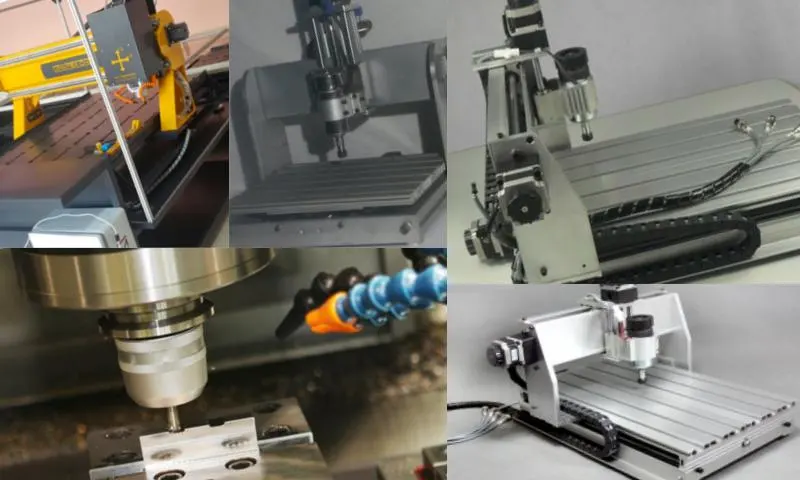
The precision manufacturing industry relies on computer-numerical control (CNC) machining, including operations that once relied on equipment operated by engineers such as routers, shapers, vertical mills, and engine lathes. Manufacturers of many types of industries prefer to use CNC machines in the production process because they provide efficient, convenient, and precise manufacturing capabilities, which are ideal for creating large quantities of products that are normally produced with a grinder, router, engine lathe, or shaper.
Precision and CNC
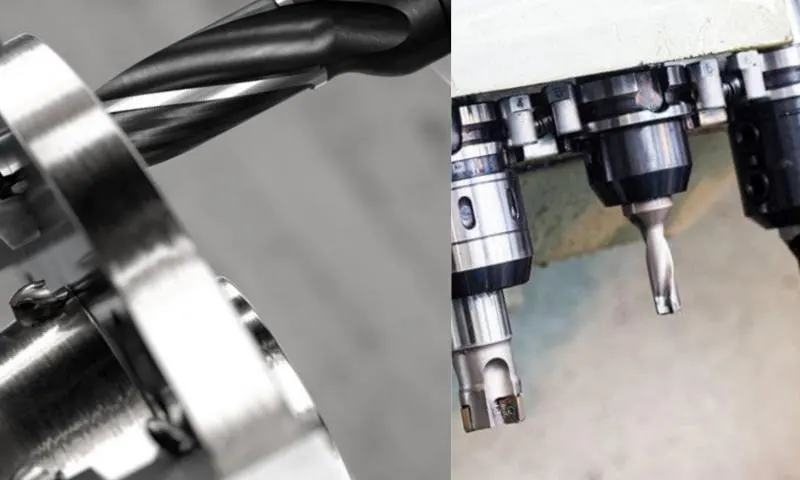
The use of computer-aided design (CAD) software is used to produce a two- or three-dimensional model of the final component in CNC machining. The prototype image of this component is fed through the computer to guide the machining tools to produce identical elements. When the computer loads a new image for CNC machining, it can pull up this model many times to produce more components. This is designed to achieve machining precision within .0001.
Other Advantages of Using CNC Machines
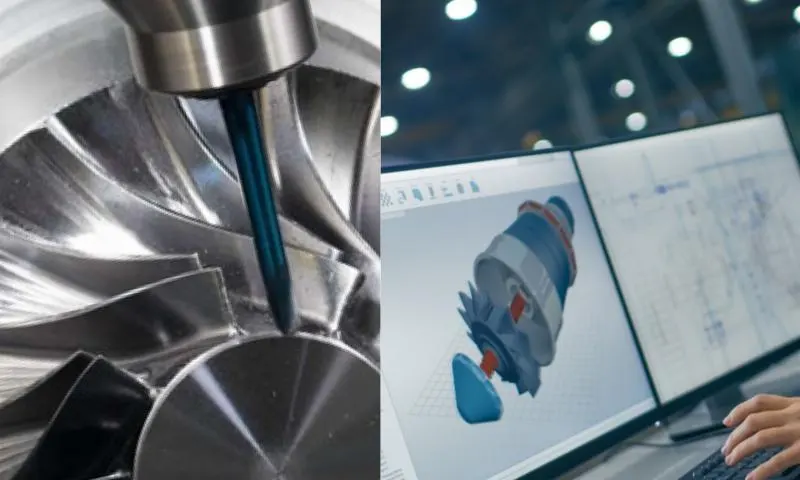
- Reliable durability: CNC machines operate 24 hours a day, 7 days a week, with only the top for repair or maintenance.
- High production and scalability: Once the design parameters and specifications are entered into a CNC machine, it runs in large quantities continuously, providing flexible scalability.
- Less labor: CNC machining requires less personnel to perform production tasks. One skilled operator can run several autonomous CNC machines, while another programmer can load them with designs. Manual machines require at least one skilled operator and a supervisor per machine. What you can save in manpower can be passed on to customers.





