
Damages During Grain Storage
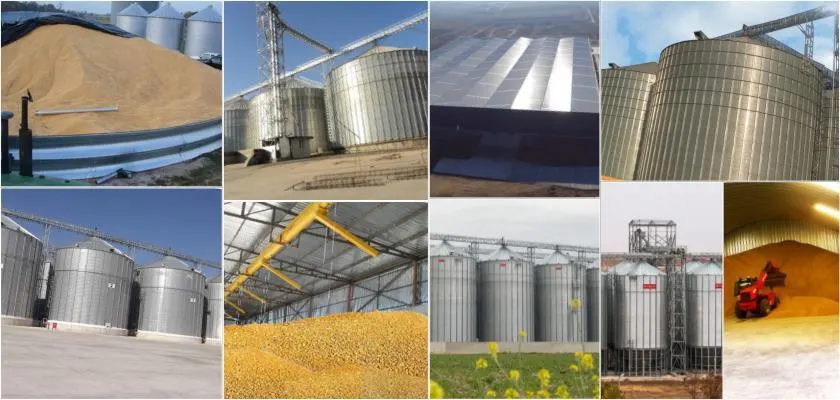
Damage is defined as the negative changes occurring within all food products stored in grain storage areas, and the physical and chemical alterations that reduce their nutritional value. Changes occur within damaged products, and the event causing the damage is the breakdown of starch and nitrogenous substances within the product by microorganisms in a suitable temperature and humidity environment, a process called fermentation. As a result, all grains undergo changes, leaving behind substances with no nutritional value.
Odor in Stored Products
Following fermentation, which occurs as a result of the breakdown of proteins and carbohydrates within the product and the activity of microorganisms, sweet, sour, alcohol, and sulfurous odors can develop. These odors are irreparable once they permeate the products. It is essential to pay close attention to odors occurring in grain storage areas and take necessary precautions beforehand.
Mold in Products
In grain storage areas, when humidity and ambient temperatures rise, mold fungi become active on the grain kernels and develop rapidly. By forming colonies, they break down the starch and proteins present in the kernels. Molds cause chemical changes in the kernels, rendering the products unusable by both humans and animals. Another problem is germination, where seeds swell by absorbing water when moisture and temperature combine, and the grain begins to sprout. In this event, called germination, the nutritional values are completely destroyed, and they are not usable as food.





