
What is Veterinary Medicine and What Does It Cover?
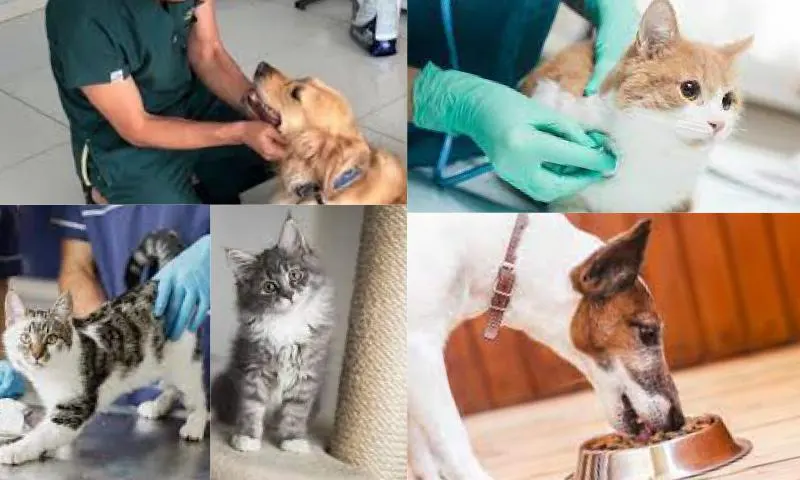
Veterinary medicine is a scientific and applied profession that aims to protect animal health, prevent diseases, and treat them. It covers a wide range of areas, from pets to farm animals, wildlife to food safety. Veterinary medicine is not limited only to the treatment of animals; it also includes important responsibilities such as ensuring animal welfare, preventing zoonotic diseases, and protecting public health. In this respect, veterinary medicine is one of the disciplines directly related to human health and requires a multidisciplinary approach. For information on this subject and to ask your questions, you can look at the relevant online companies on the internet pages and examine them in detail from here.
Contributions of Veterinary Medicine to Society and Animal Health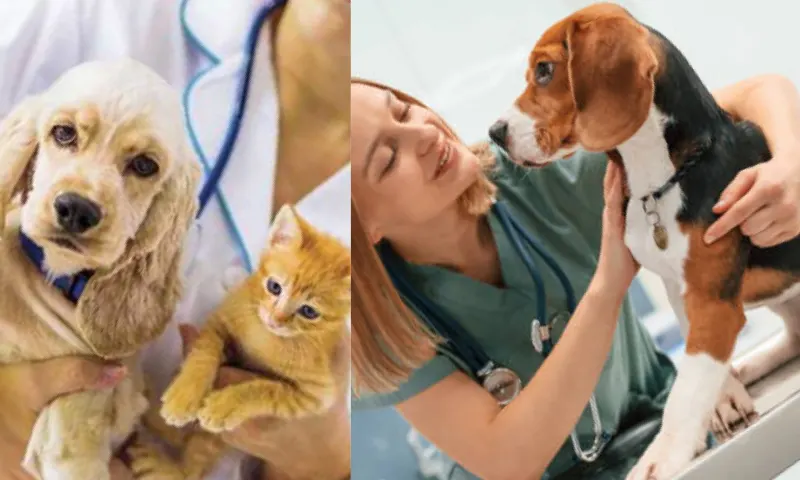
Veterinary medicine is vital for both animals and humans. Animal diseases are prevented from spreading through regular vaccinations, preventive medicine practices, and early diagnosis. This ensures economic sustainability, especially for societies engaged in animal husbandry. Veterinary medicine also plays a major role in controlling diseases that can be transmitted from animals to humans. Veterinarians working in the food production chain ensure that meat, milk, and other animal products reach consumers in a healthy and safe manner. Veterinary services act as an invisible shield that protects public health.
The Importance of the Veterinary Profession Today
Today, with the increase in pet ownership, the need for veterinary services is also growing. Pets are no longer seen merely as animals, but as family members. This brings the emotional and ethical dimension of veterinary medicine to the forefront. At the same time, with the advancement of technology, diagnostic and treatment methods in the field of veterinary medicine have also progressed. Imaging systems, laboratory analyses, and modern surgical techniques improve the quality of life for animals. Veterinary medicine, as a profession requiring constantly developing knowledge and responsibility, continues to contribute to the healthier lives of both animals and humans.