
Causes and Treatment of Dry Skin
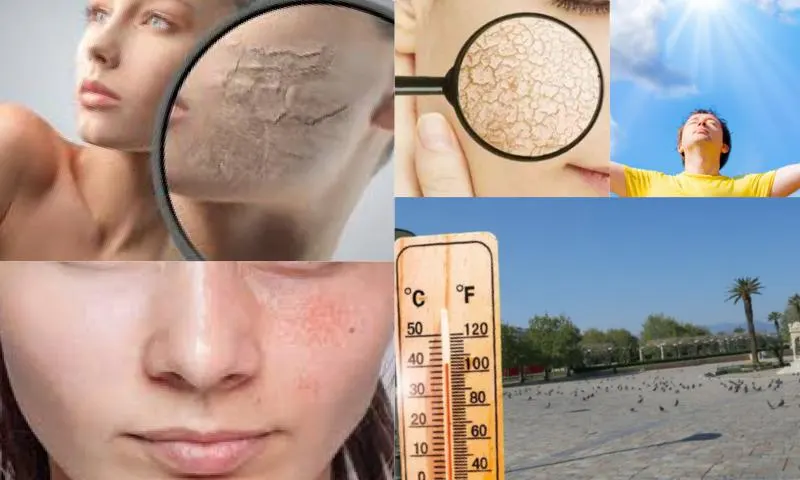
Protecting the skin during the winter months can be quite challenging. For information on this and to ask the questions you are curious about, you can examine the relevant online companies on web pages and review them in detail. Skins become more tense, especially in the winter months, and are highly prone to cracking. Therefore, skins require special and beautiful care in the winter months. The warm air at home and the cold air outside tire the skin because the skin does not like a cycle of warm and cold air, it gets tired from the back and forth. Along with this back-and-forth problem, unwanted redness occurs on the skin, and capillaries begin to form on the cheeks. Moisture, which is very important for the skin in cold weather, slowly begins to decrease. Other causes of dry skin can be these situations;
- Hormonal changes
- Skin diseases
- Sun
- Certain medications used
- Profession
- Age
- Climate
Treating Dry Skin
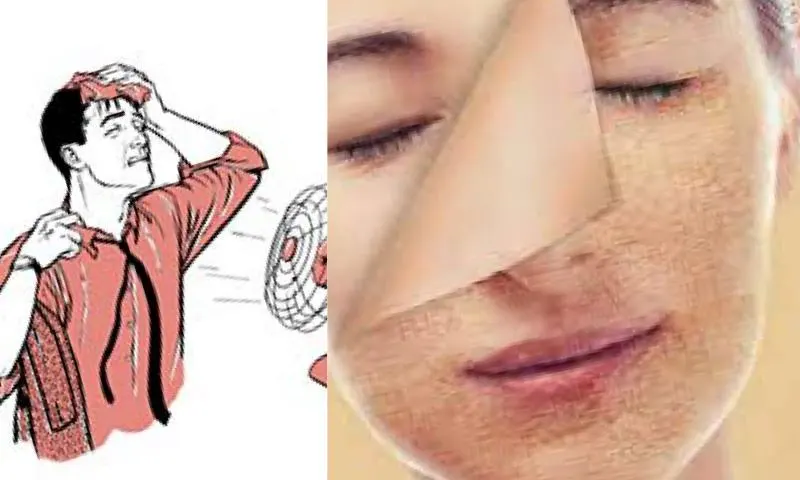
Moisturizing dry skin frequently throughout the day will greatly relieve the skin. Thus, the skin will soften and cracks will decrease. However, the right moisturizer is needed for the skin, meaning it is very important that your moisturizer is suitable for your skin type. Consulting your doctor for the most suitable moisturizer for your skin will benefit you. Hygiene products and soaps containing alcohol dry out the skin. Be careful to use a moisturizer without alcohol and perfume as much as possible. People with dry skin should not shower more than once a day.
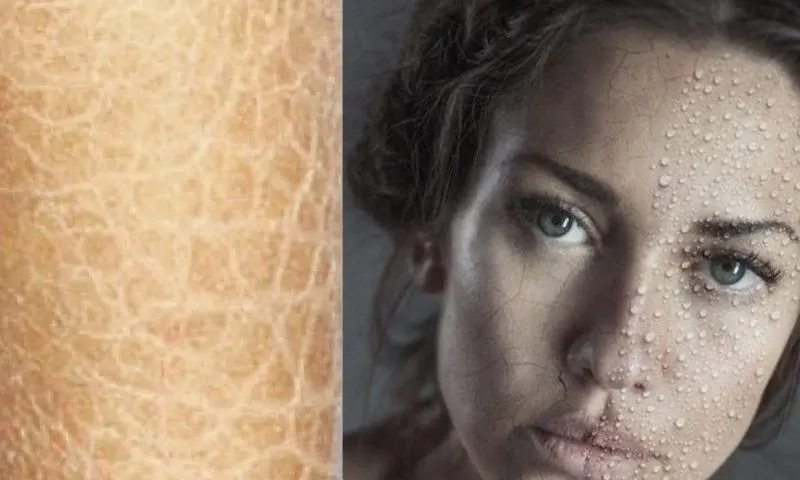
Hormonal changes: In women during menopause or in thyroid diseases, imbalances occur in hormone levels. Such imbalances affect the skin's moisture level and cause the skin to dry out.
Skin diseases: It is natural for individuals who had or have encountered skin diseases such as eczema in childhood to experience dryness in their skin in later years.
Sun: As is known, the sun's harmful rays dry out the skin. Sun rays penetrate deep into the skin, accelerating the formation of wrinkles and sagging.
Certain medications used: Especially diuretic medications and externally applied medications can cause dry skin. It is temporary; the skin regains its former moisture level once the medication use is discontinued.
Profession: Dry skin is frequently encountered in professions that involve a lot of contact with water. Water removes moisture from the skin, leading to hardening and cracking.
Age: As age progresses, the skin begins to thin and dry out. As people age, sebaceous glands start to work less, and metabolism changes. Due to these reasons, the skin gradually begins to lose its moisture and elasticity. The body should be moisturized at every age, but people over 40 need to moisturize their skin regularly on a daily basis.
Climate: People living in dry climates like deserts encounter dry skin problems more often. As is known, in addition to hot and dry climates, cold and dry weather also dries out the skin.





