
What are the Factors Affecting Soil Resistance?
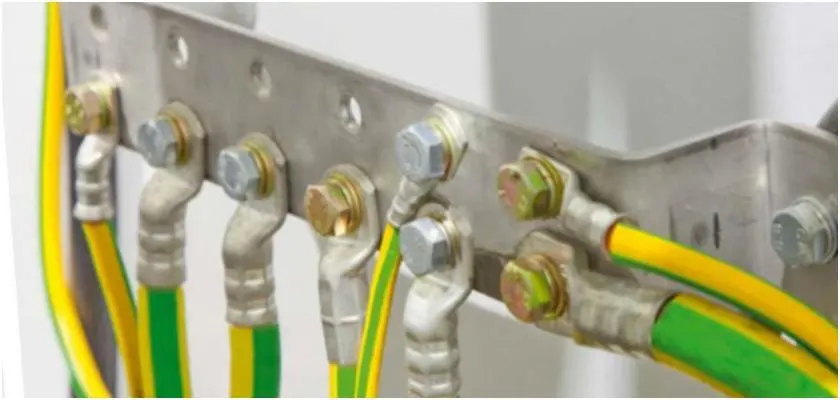
Situations such as adding modern computer-controlled equipment to structures and facilities are increasing electrical noise. Accordingly, it can cause electrical noise because it cannot adapt to old and new equipment. The laying of non-metallic pipes and conduits underground also affects safety in terms of low soil resistance. One of the factors affecting soil resistance is that the soil is moist. The necessary services and information for grounding measurements must always be obtained by authorized and experienced individuals.
What is the Theoretical Principle of Grounding Measurement?
The necessary calculations are first performed theoretically with the measurement logic for measurements made with a ground megger. Classically, ground meggers have three electrodes. These are E, P, C. E; earth electrode, P; current electrode, C; potential electrode. The user applies a constant current to the E and C electrodes and obtains the potential difference between E and P. For these calculations, the grounding measurement must be performed by engineers and expert firms.
What is Soil Voltage Measurement?
The range of the soil resistance test device is set to the soil voltage, and the necessary indicators appear on the device screens. The voltage should be 10V or less. Furthermore, if the value is greater than 10V, errors may occur in the soil resistance value. For this reason, to avoid incorrect measurements, the voltage should be reduced, or the source should be turned off.





