What is Stretch Ceiling, What are its Advantages

Stretch Ceiling
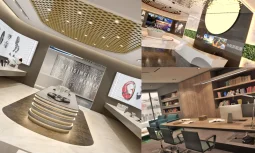
Stretch ceiling, a decorative ceiling application, makes the space it is applied to look more modern with its stylish and aesthetic appearance. The fact that the application, which makes old system ceilings showy, is used in many places causes stretch ceiling models and application areas to increase and become more widespread. So, what is a stretch or tension ceiling? We can define the system as passing PVC membranes, specially produced with their print and texture, into aluminum profiles using a heating method. It is a system used in LED lighting and, as seen in sample applications at poliger.com.tr, it illuminates the environment while also providing a more aesthetic and modern look.
Technical Specifications
Stretch ceiling is made of specially produced PVC material. Tension ceiling models with special print patterns are named acoustic, digital print, 3D print, portable, lacquered, etc., according to their texture and structure. It can take asymmetric, three-dimensional, round shapes. Because it has a flexible structure, it can take different forms according to the area to be applied. It provides ease of measurement, and the margin of error in measurement is negligible. Since it is made of PVC, 50% of which is fluorine, it is heat resistant and fire resistant. It is resistant to moisture, therefore it is also suitable for humid environments such as bathrooms, Turkish baths, and swimming pools. It is produced in many different models. You can access stretch ceiling models applied in different spaces at poliger.com.tr and get ideas by examining the system closely.
Types of Stretch Ceiling
The most preferred ceiling application is digital stretch ceiling. In addition, 3D printed stretch ceiling, acoustic, lacquered, portable, and transparent stretch ceiling models are also used in suitable spaces.