
What is Sectoral Heterochromia?
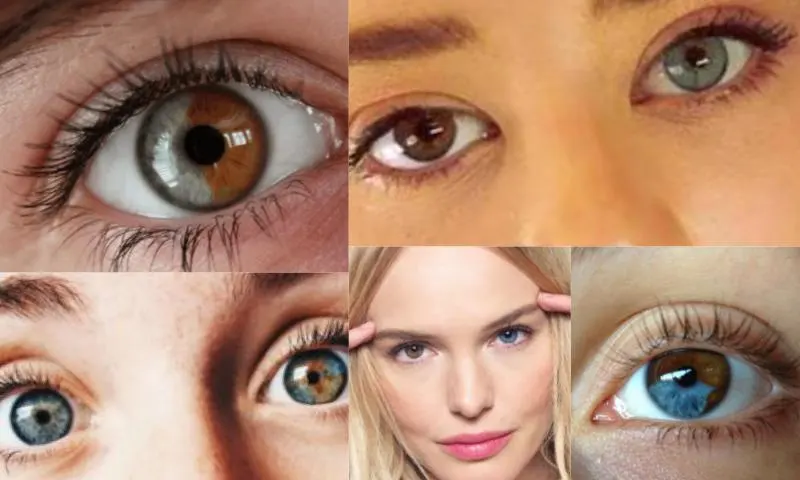
Literally, Hetero means different, and chromia refers to color, so Heterochromia means different colors in a sense. Sectoral heterochromia is known as both eyes being different colors or different colors being present within one eye. However, sectoral heterochromia can be seen not only in the eyes but also in the anatomy in general, at different points of the body. So, it is possible to see it in hair and skin. It is a rare condition in humans. It is a condition present in celebrities like Mila Kunis, Sarah McDaniel, and Kate Bosworth. The most well-known examples in Turkey are Van cats. The melanin pigment is responsible for color distribution in the body. The uneven distribution of this pigment in certain areas of the body leads to sectoral heterochromia. Sectoral heterochromia is an example of a mutation and generally occurs on chromosome 8. While this condition can be hereditary, it can also occur due to trauma or illness. Nevertheless, whether hereditary or resulting from illness or trauma, sectoral heterochromia generally does not cause harm that affects health. However, when it appears later in life, it is suspected that some underlying diseases may be the cause.
Types and Areas of Occurrence of Sectoral Heterochromia
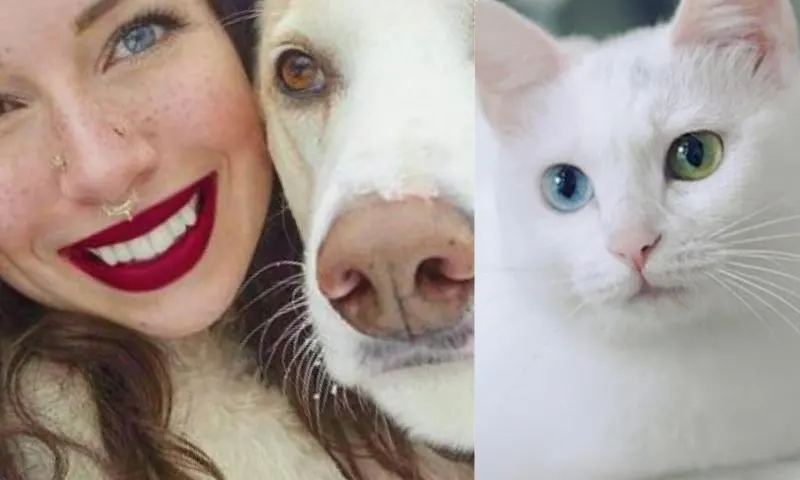
Heterochromia is either hereditary or acquired later. Generally, this condition affects one eye or a part of the eye. For example, a part of the iris may be a lighter color or a darker color. In regional heterochromia, we generally encounter an iris with two different colors. This is more common in cats or dogs. It is rarely seen in humans; only 1% of the human population has sectoral heterochromia. In acquired sectoral heterochromia, these symptoms can develop as a result of trauma, illness, or injury. Eye drops used incorrectly or containing allergenic substances can also cause sectoral heterochromia. In this case, the iris color is either unusually dark or unusually light. In central heterochromia, there are two different colors in the iris. Generally, the area around the pupil is a different color, and as you move outwards, the true color of the iris is seen. There are three main colors that determine the colors of the human eye: brown, yellow, and gray. The amounts of pigments of these colors determine the color of people's eyes.
In Which Other Animals is Sectoral Heterochromia Seen?
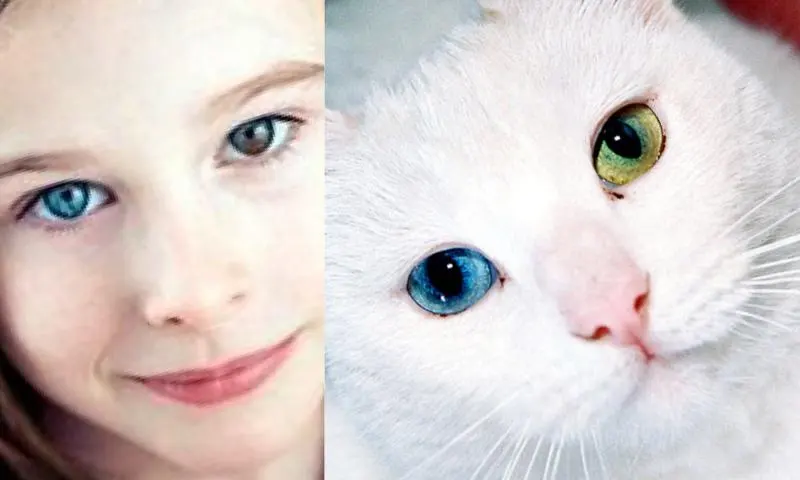
Sectoral heterochromia is most commonly seen in cats. The most common cat breeds are Japanese Bobtail, Turkish Angora, and Van cat. In these breeds, the colors of the two eyes are usually completely different from each other. In dogs, sectoral heterochromia is frequently encountered in breeds such as the Australian Shepherd or Siberian Husky. It can occasionally be seen in cattle and even Asian buffalo. This article attempted to share information about sectoral heterochromia, which occurs as a result of the different distribution of melanin pigment. Don't forget to get more detailed information from a doctor who is an expert in this condition.





