
What Are the Symptoms of Farsightedness?

Farsightedness, which emerges with the aging process, is an eye condition called presbyopia. This condition leads to difficulty in focusing on near objects due to the reduced flexibility of the eye lens. A condition that people notice from their 40s onwards, farsightedness is a vision disorder that progresses with age. Farsightedness can be defined as difficulty focusing on near objects such as reading books, using a computer, or seeing fine details. Symptoms include blurred text, eye fatigue, headaches, or a tendency to hold nearby objects further away. Due to the loss of flexibility in the eye lens, adjusting the focal distance becomes difficult.
At What Ages Is Farsightedness More Common?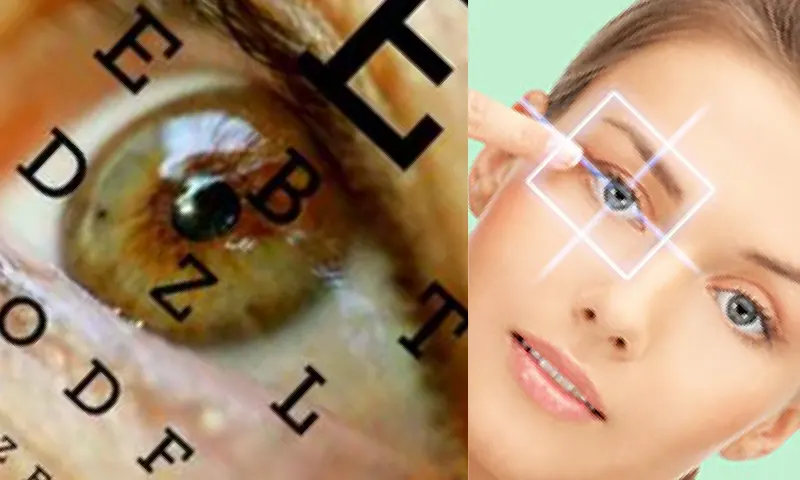
Farsightedness begins from the 40s and becomes more pronounced in the 50s. With age, the eye lens becomes harder and loses its flexibility, making it difficult to quickly switch focus between objects. This can vary for everyone; genetic factors, lifestyle, and general health status can also affect the risk of presbyopia.
What Are the Treatment Options for Farsightedness?
Farsightedness is a common eye condition encountered during the aging process. When symptoms are noticed, it is important to consult an ophthalmologist. The specialist will evaluate the individual's eye condition and recommend the most suitable treatment options, offering an effective solution to improve quality of life. Farsightedness treatment requires the use of glasses or contact lenses. Multifocal or bifocal lenses provide focus suitable for both distance and near vision. Contact lenses with advanced technologies can also be an option. Another option is monovision lenses implanted in the eye or refractive surgery procedures. Surgical interventions such as LASIK or PRK can correct presbyopia by improving the eye's focusing ability. You can look at the relevant online companies on the internet pages to get information on this subject and ask your questions, and examine them in detail from here.