
The Historical Development and Evolution of Toy Manufacturing
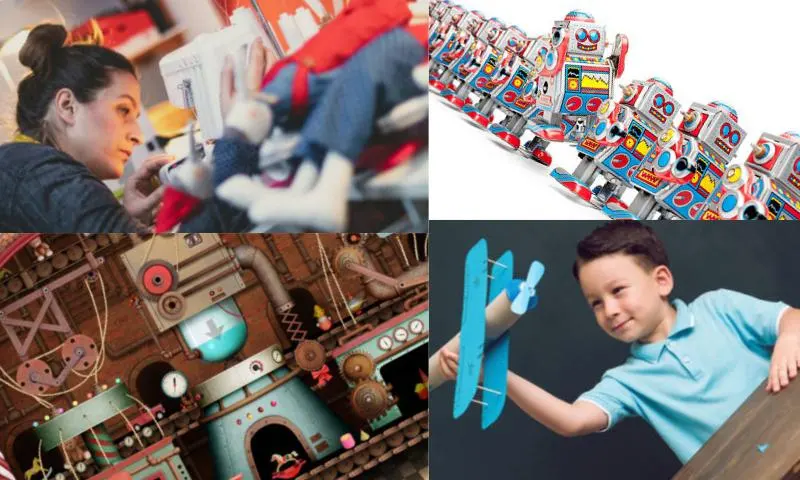
Toy manufacturing has a long history in human civilization and has undergone significant evolutions over time. In ancient times, children played with simple objects made of wood, fabric, or stone. With the Industrial Revolution, toy production scaled up to a more industrial and mass-produced level. The widespread use of plastic materials in the mid-20th century made toys more colorful, diverse, and accessible. Today, interactive and smart toys have come to the forefront with technological advancements.
Materials Used in Toy Manufacturing and Technological Innovations
The materials and technological processes used for toy manufacturing have determined the developments in the sector. While traditional materials such as wood, metal, and fabric are still used, the lightness and flexibility of plastic materials are widely preferred in toy production. Furthermore, 3D printing technologies have added a new dimension to production processes by making toy design more flexible and customizable. Thanks to electronic integration, many toys can be equipped with sound effects, lights, and motion features.
The Effects of Toy Manufacturing on Child Development and Safety Standards
Toys play an important role in child development, and properly designed and manufactured toys can support children's creativity, social skills, and mental development. However, safety measures and standards are also critical in this process. Toy manufacturers must comply with established standards for child safety. Criteria such as preventing swallowable parts, controlling chemical substances, and the durability of toys are decisive factors for toy safety. This aims to protect children and brings reliability and quality to the toy industry.





