The Cultural Role of Streets

City streets are the places that form a city's identity and where the heart of daily life beats. These streets are not just places for vehicles to pass through, but also areas where people socialize, relax, shop, engage in cultural activities, and build social relationships. City streets take shape in a wide spectrum, from historic avenues carrying the traces of the past to modern, dynamic spaces. Each street has a different atmosphere, a different energy. City streets are a reflection of cultures and societies. Many different lifestyles come together on the streets, and these streets become areas where different cultures interact. Shops, cafes, galleries, and street art in the city represent the city's culture and artistic aspects. In many cities, streets are not just places of commerce but also areas where art, music, and literature are vividly experienced. Murals, graffiti, and performance artists on the streets create the city's soul and make urban life more colorful. For information on this subject and to ask your questions, you can look at the relevant online firms on web pages and review them in detail from here.
The Impact of City Streets on Social Life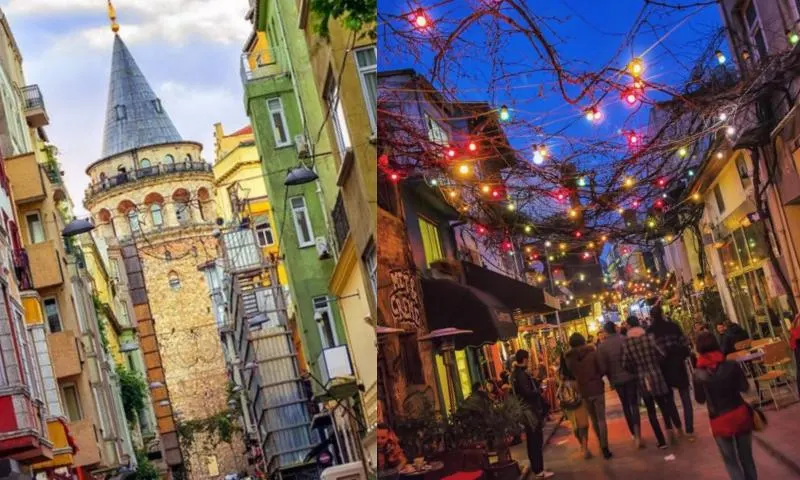
City streets shape individuals' social lives. As people walk on the streets, they both encounter others and find opportunities to meet new people. Streets are areas where different social classes, age groups, and ethnic origins come together. This defines the city not only as a physical space but also as a place where social relationships are built, shared, and strengthened. Small conversations on the streets, chance encounters, and traditional markets strengthen the bonds among the city's people. Furthermore, the streets of the city make the city a living organism, as each street in the city has its own community and dynamics.
The Changing Face of Streets with Modernization
With modern urbanization, the structure and function of city streets have also changed. With the increase in the number of high-rise buildings, shopping malls, and hotels, the function of streets has diversified. However, streets have gone beyond being just areas of commerce and business. In recent years, streets in city centers have become areas where people relax, cycle, walk, and social events are held. Festivals, concerts, and markets held on the streets offer opportunities for city dwellers to come together. These innovations add vitality to cities and strengthen the cultural meaning of streets. In conclusion, city streets are not just transportation routes but also the heart, identity, and social spaces of a city. City streets, as spaces that combine past and present and bring people together, are an important element that makes every city unique.