
Fundamentals of Play Therapy
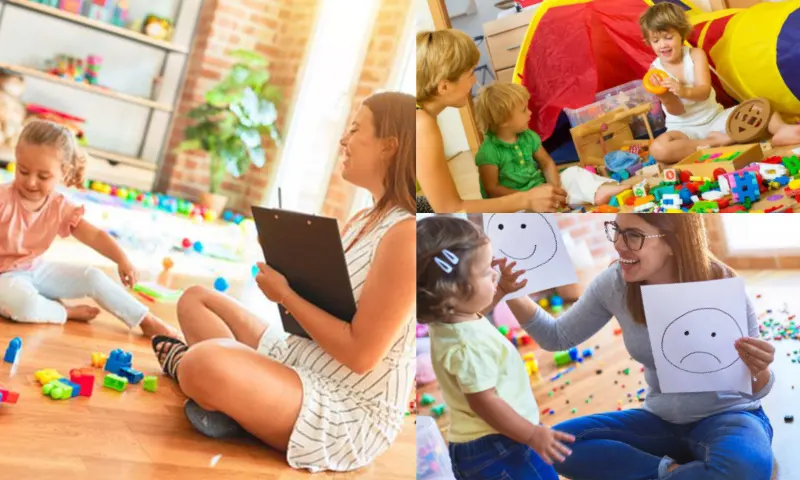
Play therapy is a therapeutic approach that uses play to resolve emotional and behavioral problems in children. This type of therapy provides a safe environment for children to express themselves and explore their inner world. It is generally used for children aged 3-12 and involves therapists observing the child's play activities. Therapists gain insight into the child's emotional and psychological state by analyzing their behavior during their play choices. During this process, it is important for children to feel comfortable and secure. For information on this subject and to ask your questions, you can look at relevant online companies on web pages and examine them in detail from here.
Play Therapy and Application Process
In the initial sessions, trust is built between the therapist and the child. The therapist allows the child to express themselves through play. The therapy is guided through the child's preferred games and toys. Play therapy sessions are shaped according to the child's emotional needs and therapeutic goals. Both structured and unstructured play can be used in this process. In unstructured play, the child plays freely, and the therapist analyzes by observing the child's play. In structured play, the therapist presents specific game activities and tasks.
Play Therapy Techniques and Tools
Symbolic play therapy helps children express emotional and traumatic experiences through symbolic play. In this technique, the child reenacts events through dolls, animal figures, and other toys. Directive play therapy is a method in which the therapist presents specific play activities and scenarios to help the child achieve certain goals. This technique can be aimed at improving the child's problem-solving, communication, and social skills. Art therapy is also a frequently used technique within play therapy. Children express their emotions by drawing, sculpting, or through other art forms. This technique helps children explore their inner worlds.





