
Professional Machines for Halva Production
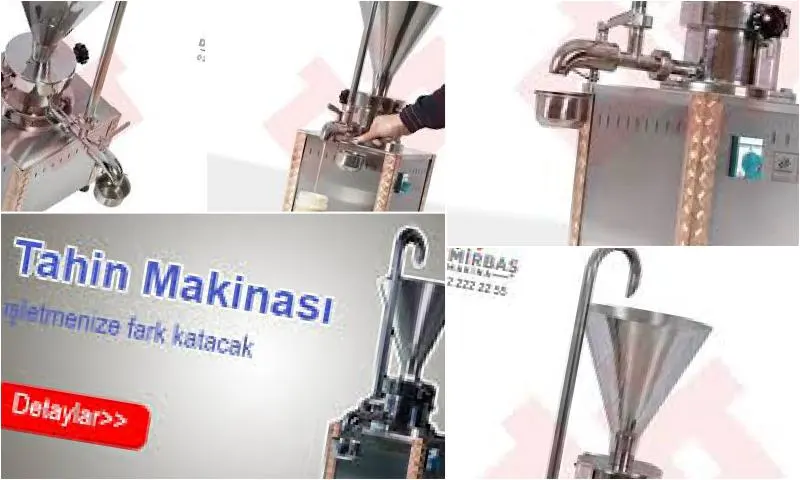
Features of Halva Machines
The most important ingredient for halva production is sesame. Halva is produced from sesame seeds that are peeled, roasted, and then turned into tahini. Halva, a beloved delicacy, undergoes a series of processes from its production stage to cutting and packaging. In today's technology, halva machines are known as devices that perform these operations professionally, increasing both hygiene and work speed. The machine capacity and dimensions required by each business vary.
Advantages of Halva Machines for Businesses
They operate electrically with a motor system. They have an insulated stove bottom. The stove opening and paste outlet ensure the process happens quickly. After the materials poured into the cauldron from the sherbet discharge valves are kneaded, they reach the consistency of tahini. Cooking processes take approximately 45 minutes. Halva is poured into molds while hot. It is automatically cut into specific weights in molds. In the next stage, halva is cut by machines, and then comes the packaging process. You can contact us for different model options for tahini and halva machines via the link. Some businesses in large factories only produce and manufacture halva. In such places, machines that allow for larger production and higher capacity are preferred. However, it is not possible to carry out these processes with a single machine. Machines designed for halva making are used for each stage. You can contact us at demirbasmakina.com for custom designs and orders of every model.





